

Precision in ophthalmic surgery does not depend solely on surgical skill—it is deeply connected to the quality of the surgical environment, the calibration and sophistication of the equipment used, and the reliability of the clinical support team. For an ophthalmologist, choosing where to operate is not just a logistical decision; it is a direct extension of clinical outcomes, professional reputation, and the experience provided to patients.
MasVision has been established as a surgical center specialized in ophthalmology designed to offer that level of support. The infrastructure, patient flow, clinical staff expertise, and the diagnostic and laser technologies used are all selected to deliver precision, safety, and sensitivity in every intervention. Operating here means accessing an ecosystem that accompanies and strengthens the surgeon’s practice.
One of the pillars of this standard is the combination of the SCHWIND Amaris excimer laser and the MS-39 tomographer—two complementary technologies that enable more accurate, more personalized refractive surgery with better long-term visual outcomes.
Below, we explore why this technological combination is decisive and why MasVision represents an ideal surgical platform for ophthalmologists who want to operate with comprehensive support.
Refractive Surgery Today: Precision and Personalization as the Standard
Refractive surgery has evolved toward a model where corneal precision and customized ablation profiles are fundamental. It is no longer just about correcting myopia, hyperopia, or astigmatism—it is about addressing the unique optical characteristics of each individual eye. Achieving this requires advanced corneal analysis capable of identifying thickness variations, elevation maps, aberrations, and biomechanical and optical behavior in different conditions.
Diagnostic quality is just as important as the accuracy of the laser ablation. The interaction between these two phases largely determines the patient’s final visual quality, recovery, and satisfaction. This is why the technology used is not an accessory—it is the core of the surgical experience. MasVision is committed to that standard.
MS-39: High-Detail Corneal Diagnostic System
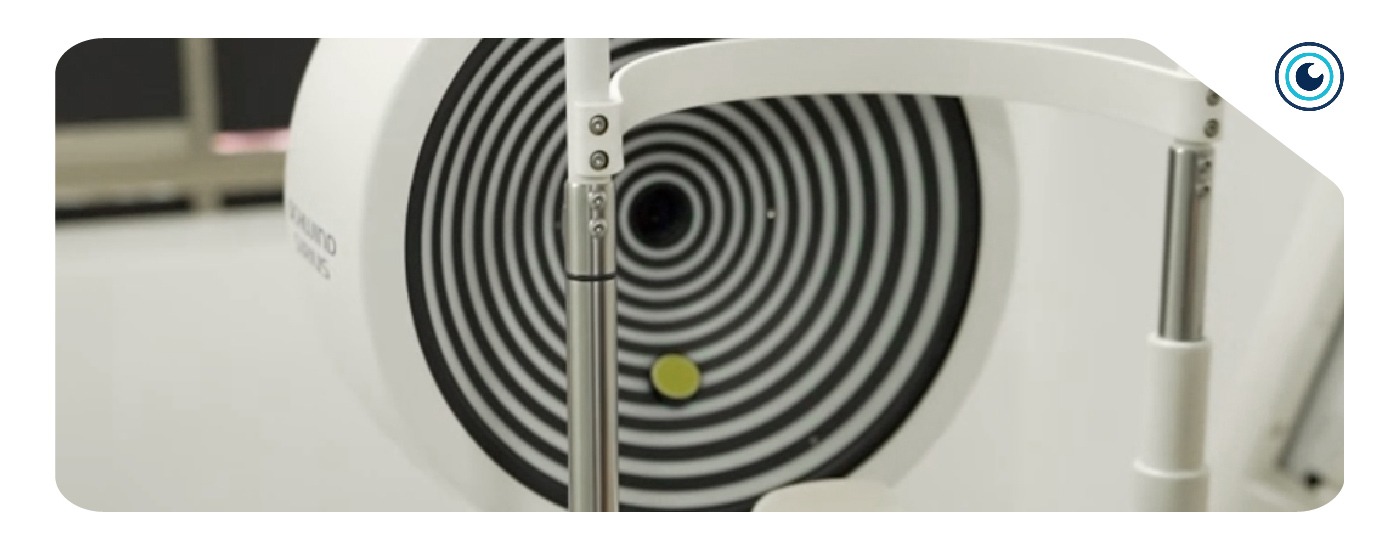
The MS-39 is one of the most advanced diagnostic systems for analyzing the corneal surface and structure. It combines high-resolution anterior segment OCT with detailed topography, making it possible to obtain a complete and in-depth map of the cornea. Its precision in 3D corneal reconstruction allows for clearer differential diagnoses and more reliable surgical planning.
This type of analysis not only helps identify good candidates, but also prevents surgery in patients whose corneal conditions make them unsuitable, avoiding future complications. Surgery is not performed just for the sake of performing it. Having access to this state-of-the-art technology allows the ophthalmologist to reduce the risk of undesired outcomes.
With the MS-39, it is possible to evaluate corneal thickness, elevations, anterior chamber angles, detailed keratometry, and higher-order aberrations that would be invisible to more traditional evaluations. This makes it possible to:
- Detect early ectasia or subtle irregularities.
- Design surgical plans tailored to the patient’s unique anatomy.
- Increase predictability of refractive outcomes.
- Personalize laser treatment based on real optical behavior, not only the refractive error.
Performing surgery with this level of diagnostic accuracy allows for confident, precise, and scientifically responsible decision-making. And that standard is something MasVision prioritizes as a fundamental part of the procedure.
SCHWIND Amaris: Precision, Speed, and Thermal Control
The SCHWIND Amaris is globally recognized as one of the most precise and fastest excimer laser platforms used in refractive surgery. Its design enables rapid, uniform, and controlled ablations to maintain optimal corneal smoothness and reduce treatment time. The ergonomics of the system support both surgical efficiency and patient comfort.
One of its most valuable advantages is real-time dynamic compensation, adjusting for eye movements, micro-movements, and energy delivery during the ablation. This maintains centering and control, improving both precision and safety.
Postoperative visual recovery with Amaris treatments is typically faster and more stable—something patients perceive as comfort and surgeons appreciate as predictability.
For ophthalmologists who value consistent outcomes, this level of control is essential.
The MS-39 + Amaris Combination: An Integrated Workflow
The value is not only in having both systems—it is in the ability to integrate them into a seamless clinical workflow. MasVision has designed a protocol in which MS-39 diagnostic data translates directly into a refined ablation plan on the SCHWIND Amaris.
This reduces variability, eliminates unnecessary manual interpretation, and allows surgery to become a natural continuation of the diagnostic stage.
The result:
More precision.
More clinical confidence.
Less surgical stress.
Better visual outcomes.
A Surgical Environment that Supports Medical Practice
Beyond technology, operating at MasVision means integrating into a professional, standardized, and well-prepared clinical environment.
Operating rooms are designed specifically for ophthalmology, with controlled airflow, correct illumination, surgical ergonomics, and documented preventive maintenance. The clinical staff is trained in ophthalmic procedures, facilitating communication, anticipating supplies, and improving surgical flow.
The clinic also follows rigorous sterilization and safety protocols compliant with national and international standards, supporting both surgeon performance and patient safety.
An Extension of the Surgeon’s Practice
Operating at MasVision does not mean joining a brand—it means strengthening your practice with a platform that supports your medical criteria. The ophthalmologist maintains full clinical autonomy in evaluation, planning, and decision-making. MasVision provides the infrastructure, clinical support, and environment needed to achieve high-level outcomes.
This relationship is built on scientific rigor and professional respect.
Conclusion: Operate at MasVision with the Best Technology
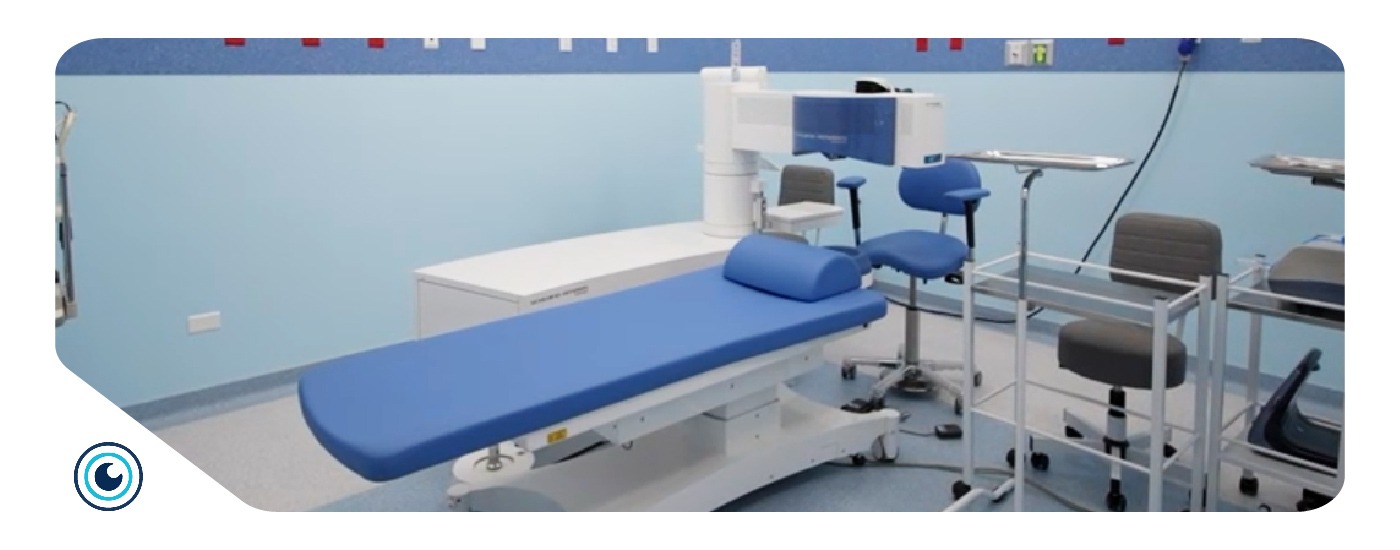
Refractive surgery requires precise diagnostics, advanced laser technology, and a surgical environment that supports clinical decision-making. MasVision is designed to meet these needs: a place where medical practice can be carried out with clarity, safety, and confidence.
Operating here means accessing the MS-39 and SCHWIND Amaris combination, a specialized clinical team, ophthalmology-focused operating rooms, and a structure that supports both the patient and the surgeon.
For ophthalmologists seeking to elevate their clinical standard and deliver consistent visual results, MasVision represents a trusted and well-prepared surgical platform aligned with the demands of modern practice.